Finchley Central Rubbish Collection Tips for Tight Streets
Posted on 09/06/2026
Anyone who has tried to arrange rubbish collection on a narrow Finchley Central road knows the feeling: the bins are out, a car has half-mounted the pavement, and there is just enough room for one wheelbarrow, never mind a skip. Finchley Central rubbish collection tips for tight streets are really about making small spaces work safely, neatly, and without turning collection day into a minor street drama. That means planning what goes out, when it goes out, and how it gets picked up. It sounds simple enough. In practice, not always.
This guide is for homeowners, landlords, tenants, small businesses, and anyone dealing with clutter, renovation waste, or a one-off clearance in a street where access is tight and patience can be even tighter. You will find practical steps, local-friendly advice, common mistakes to avoid, and a realistic look at when a professional service makes life much easier. If you also want a broader view of local options, it can help to start with the services overview and compare what suits the job before you lift a single bag.

Why Finchley Central Rubbish Collection Tips for Tight Streets Matters
Finchley Central has the sort of streets where parking can be awkward on a good day. Add household rubbish, old furniture, builders' debris, or a garden clear-out, and the margin for error gets very small. A missed collection can block a pavement. A badly placed bag can force pedestrians into the road. A rushed load can scratch a parked car, or worse, damage a doorway, wall, or vehicle mirror.
This matters because rubbish collection in tight streets is not just about getting rid of waste. It is about keeping access clear, reducing nuisance, avoiding neighbour disputes, and making sure the job is finished properly the first time. In a place like Finchley Central, where streets are often busy and space is at a premium, a sensible approach saves time, stress, and those awkward moments when everyone ends up moving the same sofa at once.
It also matters for presentation. If you are preparing a property for sale, letting, or refurbishment, the outside of the building sets the tone. A tidy frontage tells people the job is organised. A pile of mixed rubbish in the wrong place tells a different story entirely. That is one reason some customers read related local guidance such as buying property in Finchley or community advice about life in Finchley when they are planning a move or a clear-out; the practical details tend to connect more than people expect.
How Finchley Central Rubbish Collection Tips for Tight Streets Works
At its core, rubbish collection in a tight street works by reducing friction. Less friction means fewer obstacles for residents, vehicles, and collection crews. The usual workflow is straightforward, but the small decisions make the biggest difference.
First, identify the waste type. General household waste is different from bulky furniture, green waste, and builders' rubble. Second, decide whether the waste can be carried to a front point, a side access, or a designated collection spot without blocking the road. Third, match the collection method to the space you actually have, not the space you wish you had. That last bit trips people up all the time, truth be told.
For some jobs, a standard kerbside collection is enough. For others, a manual team that can carry items through narrow gaps is better. For heavier or mixed loads, a more structured waste removal plan may be needed. If the waste is tied to a refurbishment or strip-out, you may also need specialist help such as builders waste disposal in Finchley. If the job is mainly old household items, furniture, or household clearance, there are more suitable routes such as furniture disposal or house clearance support.
What looks like a simple pile of rubbish often turns into a logistics question: where can bags be staged, how quickly can the loading happen, and what happens if the street is half-blocked at school-run time? Small streets demand small-time precision. Not glamourous, but effective.
Key Benefits and Practical Advantages
Getting rubbish collection right in Finchley Central brings benefits that go beyond a cleaner pavement.
- Better access for everyone: Clear routes help residents, delivery drivers, pushchairs, and mobility users move safely.
- Less neighbour friction: A tidy, well-timed collection tends to avoid complaints and confusion.
- Faster turnaround: Waste that is sorted and ready takes less time to remove, which is especially valuable on narrow roads.
- Lower risk of damage: Careful handling reduces scuffed walls, broken planters, chipped kerbs, and scratched vehicles.
- Cleaner presentation: Particularly useful before a sale, tenancy change, or refurbishment.
- More predictable costs: When waste is separated and access is planned, there are fewer surprises and fewer delays.
There is also a psychological benefit that people underestimate. Once the waste is gone, the place feels lighter. Windows look bigger. Hallways feel less cramped. You notice the space rather than the clutter. That can be a huge relief after weeks of living around a project. It's a tiny thing until it isn't.
If sustainability is part of your decision-making, it is worth thinking about what can be reused, recycled, or diverted from landfill where possible. A quick read through recycling and sustainability guidance can help you approach the job with a better mindset, especially if you are sorting mixed household waste or old furniture.
Who This Is For and When It Makes Sense
This approach makes sense for a wide mix of people, especially in streets where access is not generous.
- Homeowners clearing lofts, garages, front gardens, or leftover renovation materials.
- Tenants moving out and needing to remove accumulated clutter quickly.
- Landlords and agents preparing a property between occupiers.
- Small businesses disposing of office items, packaging, or old stock with minimal disruption.
- Tradespeople handling builders' waste in streets with awkward parking and limited loading space.
- Older residents who need a safer, easier way to clear items without repeated trips to the kerb.
It makes particular sense when the street is narrow, parked up, or shared by multiple households. If every vehicle has to be shuffled before a sofa can move, that is usually a sign you need a more considered plan. And if the waste is mixed, heavy, or awkwardly shaped, you will almost always benefit from a more structured service than a standard bin-day arrangement.
For business users and multi-room clearances, office clearance support may be a better fit than trying to piece it together yourself. Different waste, different pace, different headaches.
Step-by-Step Guidance
Here is a practical way to handle rubbish collection on a tight Finchley Central street without making it harder than it needs to be.
- Walk the route first. Check the path from the property to the collection point. Measure narrow doorways, gates, corners, and steps in a rough way. You do not need a laser measure for everything, but you do need a realistic picture.
- Sort waste by type. Keep household rubbish, recyclables, furniture, green waste, and construction debris separate where possible. Mixed piles slow everything down.
- Decide what can stay indoors until collection. If space is tight, keep items inside until the crew is ready. That prevents obstruction and keeps the pavement clear.
- Prepare the front area. Move cars if needed, fold down anything that might snag, and clear small obstacles like plant pots or loose bricks. Little details matter.
- Stage items sensibly. Put lighter bags on top of heavier items only if they are stable. Keep sharp objects wrapped or boxed. Nobody wants a torn bag rolling across the pavement at 8:00 in the morning.
- Choose the right collection method. If the access is too narrow for large vehicles, a manual collection or smaller-load approach may be better than forcing the issue.
- Keep neighbours in the loop. A quick heads-up can avoid complaints, especially where shared access or temporary parking changes are involved.
- Check for leftover small waste. Screws, offcuts, broken packaging, and strip-out debris are easy to miss and can leave the job looking unfinished.
A practical tip: if you are clearing out a flat above street level, think about the route down as seriously as the waste itself. Stairwells, narrow landings, and awkward turns are where delays happen. You can have the right bagging system and still lose ten minutes fighting a mattress around one miserably tight corner.
Expert Tips for Better Results
After enough clearances, a few patterns become obvious. The best jobs are the ones that feel slightly boring. Everything is ready before the team arrives. Nothing is left to chance. No one is hunting for bin liners five minutes before the collection slot. That sort of calm pays off.
Use smaller loads when the street is congested
It can be tempting to wait until you have a mountain of waste and then deal with it all at once. In tight streets, smaller and more frequent collections often work better. You reduce the time waste sits outside, and you make the actual removal much easier.
Keep a clear loading zone
Even a half-car-width of usable space can make a massive difference. If there is a spot where items can be placed without blocking doors or driveways, use it consistently. The goal is flow, not perfection.
Protect shared surfaces
In narrow residential streets, walls, railings, door frames, and paving are all vulnerable. A quick layer of cardboard, moving blankets, or careful lifting technique can save a lot of grief. It sounds fussy until someone chips a wall corner carrying a wardrobe, and then everyone suddenly becomes very interested in protection.
Label mixed items before collection
If several people in a household are clearing out different rooms, place a simple label on piles or bags. One for recycling, one for general waste, one for reuse or donation if you are doing that separately. It keeps things from becoming a muddle on the day.
Time the job around traffic patterns
Morning school traffic, lunch-time deliveries, and evening parking pressure can all make a narrow street feel even tighter. If you have flexibility, choose a calmer window. You will notice the difference immediately, especially on roads where one badly parked van changes everything.
For more context on how local residents think about day-to-day practicalities in the area, the article on exploring Finchley as a suburb is a useful reminder that the local rhythm matters. Not every street behaves the same way.

Common Mistakes to Avoid
Most collection problems in tight streets are avoidable. Here are the mistakes that cause the most trouble.
- Leaving everything until the last minute. Rushed sorting leads to poor loading and missed items.
- Assuming a big vehicle will somehow fit. It usually won't. Narrow access is not a challenge to be "worked around" on the day.
- Blocking the pavement. This creates safety issues and often annoys neighbours fast.
- Mixing all waste together. Mixed waste is harder to handle and can complicate recycling.
- Ignoring heavy or awkward items. Fridges, wardrobes, baths, and rubble need proper planning.
- Forgetting about weather. Rain can make cardboard limp, create slippery surfaces, and slow loading. A damp Tuesday morning changes everything a bit.
- Not checking building access. Shared hallways, basement steps, and narrow gates can become bottlenecks.
One subtle mistake is underestimating how much waste there really is. People often make a pile, glance at it, and think, "That'll be fine." Then the second pile appears. Then the bagged bits. Then the old chair from the shed. Waste has a funny habit of multiplying when nobody is watching.
Tools, Resources and Recommendations
You do not need a warehouse full of equipment to manage rubbish collection well, but a few basic tools make a real difference.
- Strong sacks and boxes: Helpful for loose household items, small offcuts, and bagged rubbish.
- Gloves: Essential for handling sharp edges, dirty materials, or splintered timber.
- Moving straps or a dolly: Useful for larger items in narrow passages.
- Cardboard or coverings: Good for protecting floors, door frames, and corners.
- Labels or marker pens: Handy for sorting and avoiding confusion.
- Basic measuring tape: Helpful if you are unsure whether a bulky item will fit through a route.
On the service side, it helps to compare what you actually need rather than what sounds easiest. A bulky item pickup is not the same as an all-house clearance. A builders waste job is different again. If you want a clearer sense of cost and planning, the pricing and quotes page is a sensible place to start, especially when you are weighing time against effort.
And for anyone trying to make sure a project stays tidy from start to finish, it is worth keeping routine waste collection in Finchley in mind as part of a wider plan rather than as a last-minute fix.
Law, Compliance, Standards, or Best Practice
Rubbish collection in the UK is not just a practical matter; it also sits within wider expectations around safety, responsible disposal, and avoiding nuisance. You do not need to be a compliance specialist to get this right, but a few principles matter.
Do not obstruct the highway or pavement unnecessarily. In a tight street, even temporary placement needs careful thought. Keep access clear for pedestrians, wheelchairs, prams, and emergency access where relevant. That is less about red tape and more about common sense, really.
Handle waste safely. Heavy lifting, broken glass, and sharp objects bring obvious risk. Use gloves, keep items stable, and do not ask one person to do a two-person lift just because everyone is in a hurry.
Separate recyclable materials where practical. Good waste practice often starts with sorting, not after the fact. It makes collection smoother and supports better environmental outcomes.
Use a licensed, reputable waste carrier for commercial or mixed waste. If you are hiring a service, make sure it is clear what will happen to the waste and what is included. Transparency is part of trust. So is insurance. A service provider should be able to explain how they work, what they cover, and what the customer is responsible for; our own insurance and safety information is the kind of detail people should expect to review before booking.
For trust and governance-minded readers, it is also reasonable to look at pages such as about the company, terms and conditions, and privacy policy so you know how bookings, data, and responsibilities are handled. That is just good practice.
Options, Methods, or Comparison Table
Not every waste job in Finchley Central should be handled the same way. Here is a straightforward comparison of common approaches.
| Method | Best For | Strengths | Limitations in Tight Streets |
|---|---|---|---|
| Kerbside bag collection | Light household rubbish and simple clear-outs | Quick, low-fuss, easy to stage | Can block the pavement if overused or poorly timed |
| Manual carry-out service | Bulky items, flats, awkward access | Works well where vehicles cannot get close | Slower if the route is cluttered or poorly planned |
| Bulky item removal | Furniture, appliances, single large pieces | Efficient for one-off heavy items | May need extra handling for stairs or narrow doors |
| House clearance | Whole rooms, move-outs, inherited properties | Structured, comprehensive, less stress for the customer | Needs clearer access planning and may take longer |
| Builders waste removal | Renovations, refurbishments, strip-outs | Handles heavier and messier loads better | Needs careful segregation and safer loading practice |
The right answer depends on waste type, access, and time pressure. If you are in a hurry, a lighter option may look appealing, but that can backfire if the job expands on site. In tight streets, the best method is usually the one that creates the least friction, not the one that sounds simplest on paper.
Case Study or Real-World Example
Imagine a top-floor flat near Finchley Central with a narrow stairwell, no lift, and street parking that disappears by late afternoon. The occupier wants to clear out old chairs, a broken bedside unit, bags of clutter from a cupboard, and a few boxes from the kitchen. At first glance, it feels manageable. Then the first chair catches on the stair turn. Then the boxes pile up in the hall. Then the front door opens awkwardly into the landing. You know the sort of thing.
The better approach would be simple: sort the waste in advance, remove small loose items first, protect the stair edges, and schedule a collection window when the street is quieter. Large items should be brought down only when the path is clear. If there is a bulky sofa or wardrobe, that item should be planned separately rather than bundled into the same improvised run.
In a case like that, a coordinated clearance service can save a lot of hassle. A team that already understands narrow access, stair lifts, and careful lifting will usually finish faster and with less disruption. This is exactly the sort of scenario where local residents and landlords often prefer a more organised approach, especially if the property is also being prepared for letting or sale. There is no drama in doing it properly. In fact, that is the point.
Practical Checklist
Use this checklist before your collection day. It keeps things calm, which is underrated.
- Identify the waste type and separate it into sensible piles.
- Measure narrow doors, gates, stair turns, and any awkward corners.
- Clear the route from the property to the collection point.
- Move or protect cars, bins, plant pots, and other obstacles.
- Wrap or box sharp, loose, or dirty items.
- Check whether items need two-person lifting.
- Confirm the best collection time for the street.
- Tell neighbours if access or parking may be affected.
- Keep documents, valuables, and re-use items separate.
- Do a final sweep for screws, rubble, or small debris.
Expert summary: In Finchley Central, the best rubbish collection plan is the one that respects the street. Keep access clear, sort waste early, match the method to the space, and use a service that understands narrow-road logistics. That simple formula prevents most of the headaches people run into.
Conclusion
Finchley Central rubbish collection tips for tight streets come down to planning, patience, and the right method for the space you actually have. Narrow roads do not forgive sloppy staging, rushed lifting, or over-optimistic vehicle assumptions. But with a clear route, sensible sorting, and the right collection approach, even a cramped street can be managed smoothly.
Whether you are clearing a single bulky item, a whole flat, or the aftermath of a renovation, the goal is the same: keep things safe, keep things moving, and keep the street usable for everyone else. That is good neighbour behaviour, good practical sense, and, frankly, a much nicer way to get the job done.
Get a free quote today and see how much you can save.
And if you are still weighing up what kind of collection fits your space, have a calm look through the available service options. A little planning now can save a surprisingly big headache later. That part never really changes.
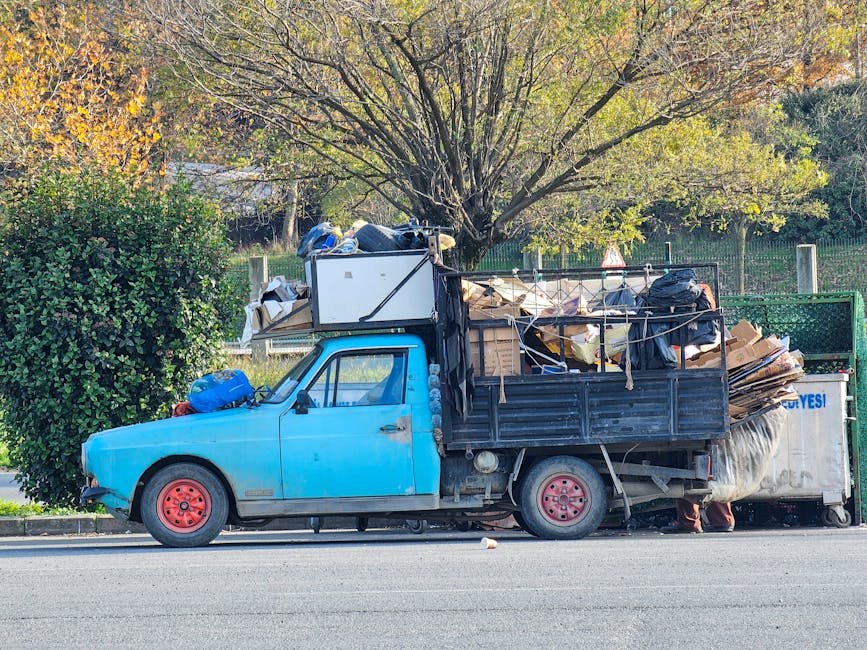
 Tipper Van - Rubbish Clearance and Waste Collection Prices in Finchley, N2
 Luton Van - Rubbish Clearance and Waste Collection Prices in Finchley, N2


